Posts

Showing posts with the label Media Literacy

Is Blind Faith a Collective Mental Illness? A Look at Modern India's Paradox
Image
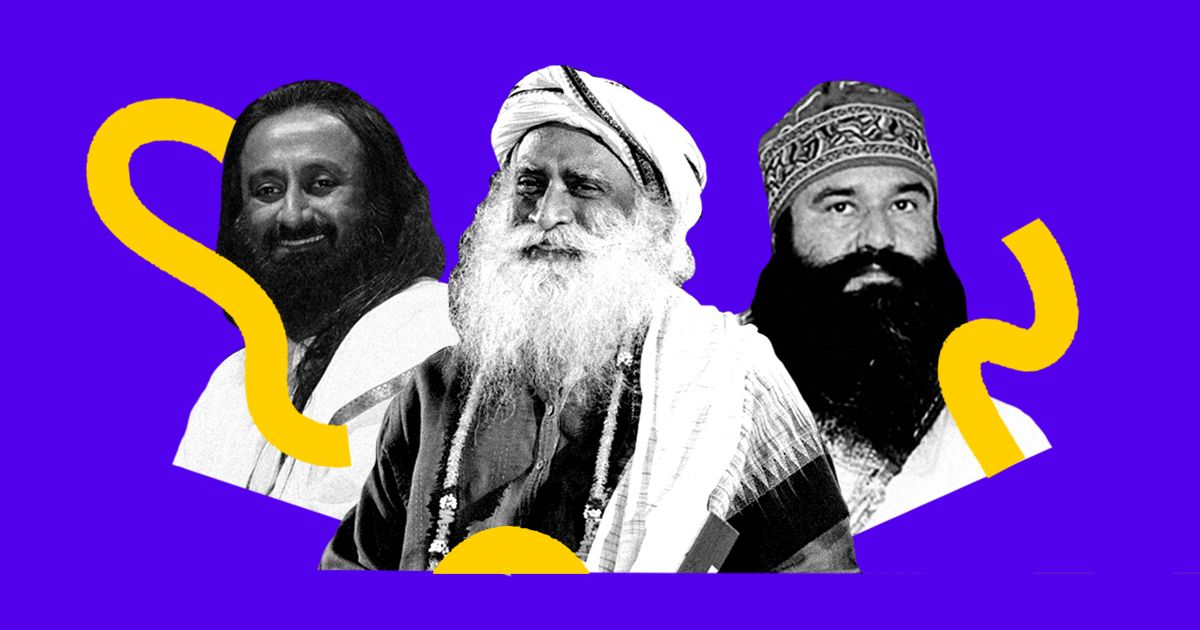
India, a land of vibrant colors, rich history, and deep spirituality, is also a land of stark contrasts. While we celebrate our ancient wisdom and traditions, we grapple with social issues that seem to defy logic and reason. It's as if a collective mental illness has gripped our society, blinding us to the harsh realities around us. One striking example is the growing phenomenon of treating inanimate idols as living beings. Recently, a family in Delhi made headlines for enrolling their Laddu Gopal (a form of Lord Krishna) in a prestigious school. While this might seem like an isolated incident of harmless devotion, it highlights a deeper malaise. In a country where millions of children are denied basic education and necessities, the fact that resources are being lavished on an idol is a jarring reminder of our skewed priorities. This brings us to the rise of self-proclaimed godmen or "babas" and the unquestioning faith people place in them. These charismatic figures, ofte...

The Unfolding Story of Sex Education: From Taboo to Transformation

Image
Embracing Knowledge, Empowering Generations Introduction Sex education has journeyed from the hushed corners of society to the forefront of public discourse, sparking debates, transforming lives, and shaping the future. It's a topic that intersects with our most intimate selves, touching upon love, relationships, health, and identity. In this in-depth exploration, we embark on a captivating voyage through the past, present, and future of sex education, unraveling its complexities, celebrating its triumphs, and envisioning its boundless possibilities. The Historical Tapestry: Unveiling the Roots of Sex Education The story of sex education is as old as civilization itself. Ancient cultures, from the Greeks to the Egyptians, recognized the importance of imparting knowledge about sexuality and reproduction. However, the rise of organized religion often cast a shadow of taboo over these teachings, confining them to whispers and folklore. The Victorian era, known for its prudishness, fur...

The Rise and Reign of Godi Media: A Deep Dive into India's Polarized Media Landscape

Image
In the vibrant tapestry of India's media landscape, a phenomenon known as "Godi Media" has emerged, capturing attention and sparking debate. This term, coined to describe a section of the media perceived to be overtly supportive of the ruling dispensation, has become synonymous with a polarized and often contentious media environment. The rise of Godi Media has ignited discussions on the role of media in a democracy, its impact on public discourse, and the potential implications for the future of journalism in India. The Genesis of Godi Media: A Historical Perspective The roots of Godi Media can be traced back to the changing dynamics of Indian politics and media ownership in recent decades. The liberalization of the Indian economy in the 1990s led to the proliferation of private television channels and a surge in media conglomerates. This, coupled with the increasing influence of political parties and business houses on media ownership, created an environment where media...

India's Television Media: A Descent into Radio Rwanda?

Image
Over the last decade, there has been a growing concern that the Indian television media landscape is mirroring the infamous Radio Rwanda, which played a sinister role in inciting the 1994 Rwandan genocide. While this comparison may seem extreme, a closer examination reveals disturbing parallels in the propagation of hate speech, misinformation, and divisive rhetoric. This article aims to delve into this complex issue, analyzing the factors that have contributed to this phenomenon, its impact on society, and potential solutions. Understanding Radio Rwanda Radio Télévision Libre des Mille Collines (RTLM), or Radio Rwanda, was a radio station that operated in Rwanda during the early 1990s. It gained notoriety for its relentless broadcasting of hate propaganda against the Tutsi minority, dehumanizing them and fueling animosity among the Hutu majority. The station's inflammatory broadcasts played a crucial role in inciting violence and creating a climate of fear and hatred that ultimate...

The Rise and Ramifications of Fake Narratives in Indian Television News (2014-Present): A Deep Dive

Image
Since 2014, Indian television news has witnessed a significant shift, marked by a surge in fake narratives, biased reporting, and sensationalism. This phenomenon has raised serious concerns about the credibility and integrity of the media landscape in the country. This article aims to provide an in-depth analysis of the rise and impact of fake narratives in Indian television news since 2014, delving into its causes, manifestations, consequences, and potential solutions. Causes and Contributing Factors Several factors have contributed to the proliferation of fake narratives in Indian television news. These include: Political Polarization: The increasing polarization of Indian politics has created a breeding ground for biased reporting and the dissemination of misinformation. News channels often align themselves with specific political ideologies, leading to the selective presentation of facts and the amplification of narratives that favor their chosen side. Competitive Ratings Race: T...