Posts

Showing posts with the label Modi Government

Adani in the Crosshairs: Swiss Allegations and the Shadow of Hindenburg

Image
The recent news alleging that Gautam Adani, a leading Indian industrialist, is under investigation in Switzerland has sent shockwaves through the financial world. This report, originating from a tweet by Hindenburg Research, an investment firm known for its critical stance on Adani, claims that Adani's Swiss accounts have been frozen. Adani Group has vehemently denied these allegations, labeling them as "blatantly erroneous." The unfolding drama draws attention to a complex web of financial transparency, international agreements, and potential implications that could have far-reaching consequences for Adani, his empire, and the Indian economy itself. The India-Switzerland Information Exchange Agreement: A Historical Context The relationship between India and Switzerland regarding financial information sharing has a checkered past. Switzerland, once a haven for hidden wealth, has gradually moved towards greater transparency, driven in part by international pressure and its...
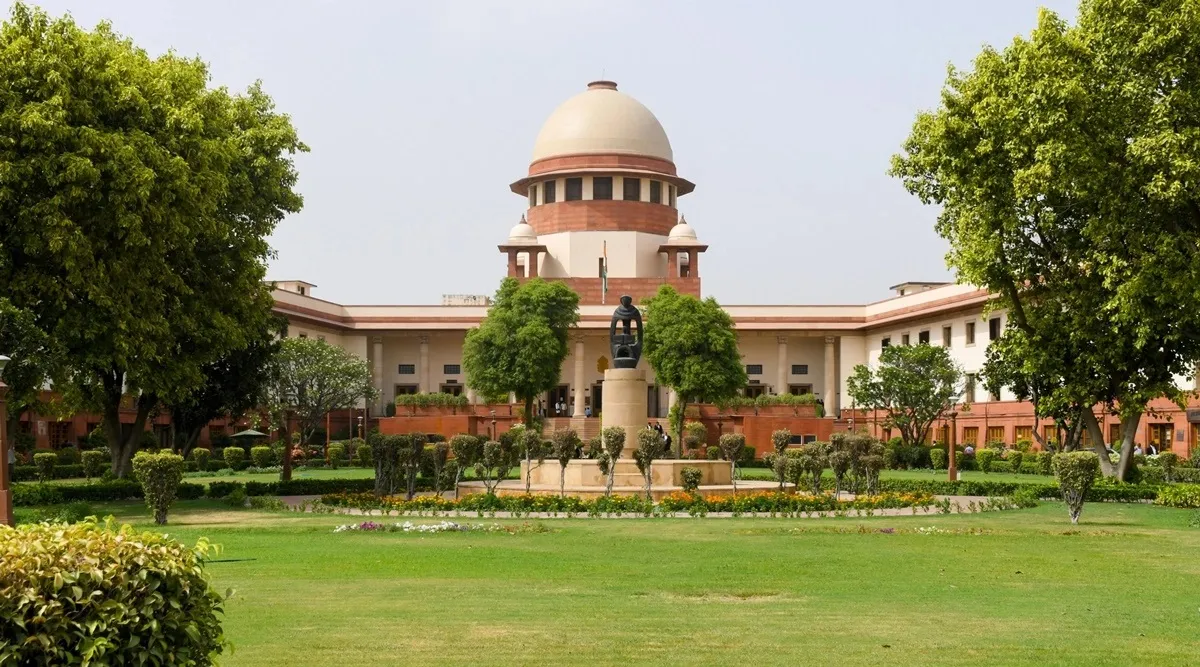

India's Supreme Court Curbs Modi's PMLA Power Play: A New Dawn for Justice?

Image
In the annals of Indian jurisprudence, the Supreme Court has once again emerged as a guardian of liberty, delivering a series of landmark rulings that promise to reshape the nation's political discourse and legal framework. The focus of this judicial intervention is the Prevention of Money Laundering Act (PMLA), a powerful tool that, under the Narendra Modi government, has been accused of being weaponized against political opponents. By curtailing the sweeping powers granted to the Enforcement Directorate (ED) under PMLA, the apex court has signaled a potential turning point in India's ongoing struggle to balance national security concerns with the protection of individual rights and the preservation of democratic values. PMLA: A Controversial Legacy The PMLA, enacted in 2002, was initially designed to combat the menace of money laundering, a complex financial crime that often serves as the lifeblood of organized crime and terrorism. Over the years, the law has undergone severa...

The Waqf Board and the Modi Government's Amendment Bill: A Contested Terrain

Image
Navigating the Complexities of Waqf Management and Governance in India The Waqf Board, an institution deeply rooted in India's history, holds a unique position in the nation's socio-economic landscape. Tasked with the management of vast endowments dedicated to charitable and religious purposes, the Board has the potential to be a powerful force for community development. Yet, it finds itself at the crossroads of tradition and modernity, facing challenges that threaten its effectiveness. The recent amendment bill proposed by the Modi government has further stirred the waters, raising concerns about the future of Waqf management and the potential impact on the Muslim community. The Legacy of the Waqf Board The concept of Waqf, or endowment, has its origins in Islamic law. Muslims with means would dedicate properties or assets in perpetuity for the benefit of the community, creating a sustainable source of income for charitable endeavors. In India, Waqf Boards were established to ...